

The Origins of Persian Carpets
When you think of luxury and artistry in textiles, Persian carpets likely come to mind. These beautiful creations are not just floor coverings but are imbued with centuries of history and culture. Persian carpets, also known as Iranian carpets, have a rich origin that dates back thousands of years. Their story is a tapestry woven with the threads of history, artistry, and tradition.
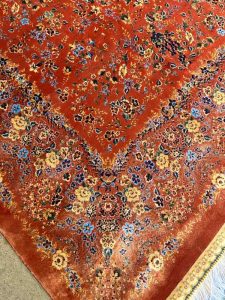
Evolution of the Persian Carpets Through the Ages
Early Persian Carpets: Origins and Development
The history of Persian carpets is as intricate as the designs woven into them. The earliest examples of Persian carpets date back to the 5th century BCE, with some of the oldest surviving examples originating from the Achaemenid Empire. These early carpets were simple yet functional, primarily used for practical purposes.
As the centuries progressed, so did the art of carpet weaving. During the Sassanian Empire (224-651 CE), Persian carpets began to gain prominence. The weavers of this period incorporated more elaborate designs and luxurious materials, setting the stage for the renowned Persian carpets we admire today.
The Influence of Various Dynasties
The evolution of Persian carpets was heavily influenced by the various dynasties that ruled the region. Each dynasty brought its own flair to carpet design. The Safavid dynasty (1501-1736 CE) is particularly notable for its contributions, as it marked the golden age of Persian carpet weaving. The Safavids were instrumental in refining techniques and fostering artistic expression, leading to the creation of some of the most famous and enduring carpet designs.
The Impact of Trade and Exploration
Trade routes such as the Silk Road played a crucial role in the evolution of Persian carpets. These routes facilitated cultural exchanges and introduced new materials and techniques from distant lands. The influx of foreign influences enriched Persian carpet designs, making them even more diverse and appealing to a global audience.

The Influence of Culture and Art
Persian Carpet Weaving Techniques
The art of Persian carpet weaving is a blend of skill, tradition, and creativity. The techniques used in creating Persian carpets are passed down through generations. Weavers employ a variety of methods, including knotting and weaving, to create intricate patterns and textures. Each technique contributes to the overall beauty and durability of the carpet.
Symbolism and Patterns in Persian Carpets
Persian carpets are renowned for their complex patterns and symbolism. Every design element in a Persian carpet has a meaning, often reflecting the natural world or spiritual beliefs. Common motifs include floral patterns, geometric shapes, and stylized animals. These symbols not only add beauty but also convey cultural and spiritual messages.
The Role of Persian Carpets in Cultural Ceremonies and Daily Life
Persian carpets hold a special place in Iranian culture. Historically, they were used in religious ceremonies, royal courts, and as status symbols. Today, they continue to be a significant part of daily life and cultural celebrations. Whether used as floor coverings or hung as art pieces, Persian carpets are cherished for their beauty and heritage.
The Most Famous Persian Carpet Designs
The Persian Carpet Designs of the Safavid Era
The Safavid era is celebrated for producing some of the most exquisite Persian carpets. During this period, carpets were not just functional items but works of art. Designs from this era are characterized by their elaborate motifs and vibrant colors. Some of the most famous designs include intricate floral patterns and elaborate medallions.
Iconic Designs: Kerman, Isfahan, and Tabriz
Certain Persian carpet designs are particularly renowned. Kerman carpets are known for their fine quality and detailed patterns. Isfahan carpets are famous for their luxurious materials and sophisticated designs. Tabriz carpets are celebrated for their rich colors and intricate patterns. Each design style has its own unique characteristics and history, contributing to the diverse world of Persian carpets.
Notable Persian Carpets in Museums and Private Collections
Many Persian carpets have found their way into prestigious museums and private collections around the world. These carpets are often displayed as masterpieces of art and craftsmanship. Institutions like the Victoria and Albert Museum and the Metropolitan Museum of Art showcase some of the most renowned Persian carpets, allowing the public to appreciate their beauty and historical significance.

Persian Carpets in Modern Times
The Evolution of Persian Carpets in Contemporary Decor
In the modern era, Persian carpets have adapted to contemporary tastes and decor styles. While traditional designs remain popular, many artisans are now creating carpets that blend classic techniques with modern aesthetics. This evolution ensures that Persian carpets continue to be relevant and appreciated in today’s interiors.
Persian Carpets in the Global Market
The global market for Persian carpets is robust and diverse. These carpets are sought after not only for their beauty but also for their craftsmanship. The international demand for Persian carpets has led to a thriving industry that supports artisans and preserves traditional techniques.
The Challenges and Opportunities in Preserving Traditional Techniques
Despite their enduring popularity, Persian carpets face challenges in preserving traditional weaving techniques. Modernization and economic pressures pose threats to this ancient craft. However, there are also opportunities to revitalize and promote these techniques through education and international collaboration.
The Enduring Legacy of Persian Carpets
Persian carpets are more than just decorative items; they are symbols of luxury, artistry, and cultural heritage. Their history is a testament to human creativity and craftsmanship. From their ancient origins to their modern adaptations, Persian carpets continue to captivate and inspire. Their enduring legacy is a reminder of the beauty and complexity of human artistic expression.
FAQs
- What is the significance of Persian carpets in Iranian culture? Persian carpets are highly valued in Iranian culture for their beauty, craftsmanship, and historical significance. They are used in various cultural ceremonies and are considered symbols of status and tradition.
- How are Persian carpets made? Persian carpets are crafted using traditional techniques such as knotting and weaving. Skilled artisans create intricate patterns and designs by hand, often using high-quality materials like wool and silk.
- What are some famous Persian carpet designs? Notable Persian carpet designs include those from Kerman, Isfahan, and Tabriz. Each region is known for its unique patterns and styles, contributing to the rich diversity of Persian carpets.
- Where can I see famous Persian carpets? Many famous Persian carpets are displayed in museums such as the Victoria and Albert Museum and the Metropolitan Museum of Art. These institutions showcase some of the most exquisite examples of Persian carpet artistry.
- How has the Persian carpet industry evolved in recent years? The Persian carpet industry has evolved to include contemporary designs while preserving traditional techniques. The global market for Persian carpets has expanded, and efforts are being made to address challenges in preserving artisanal skills.
 English
  Eesti
Eesti  Русский
  Suomi
Suomi  Svenska
  Deutsch
  Français
  Polski
  Dansk
Dansk  Norsk bokmål
  Nederlands
  Latviešu valoda
  Lietuvių kalba
  Italiano
  Español
  English (UK)
No comment